
Alfalfa
Western alfalfa markets remain shaped by drought and water availability heading into fall.
PNW
Columbia Basin, Washington
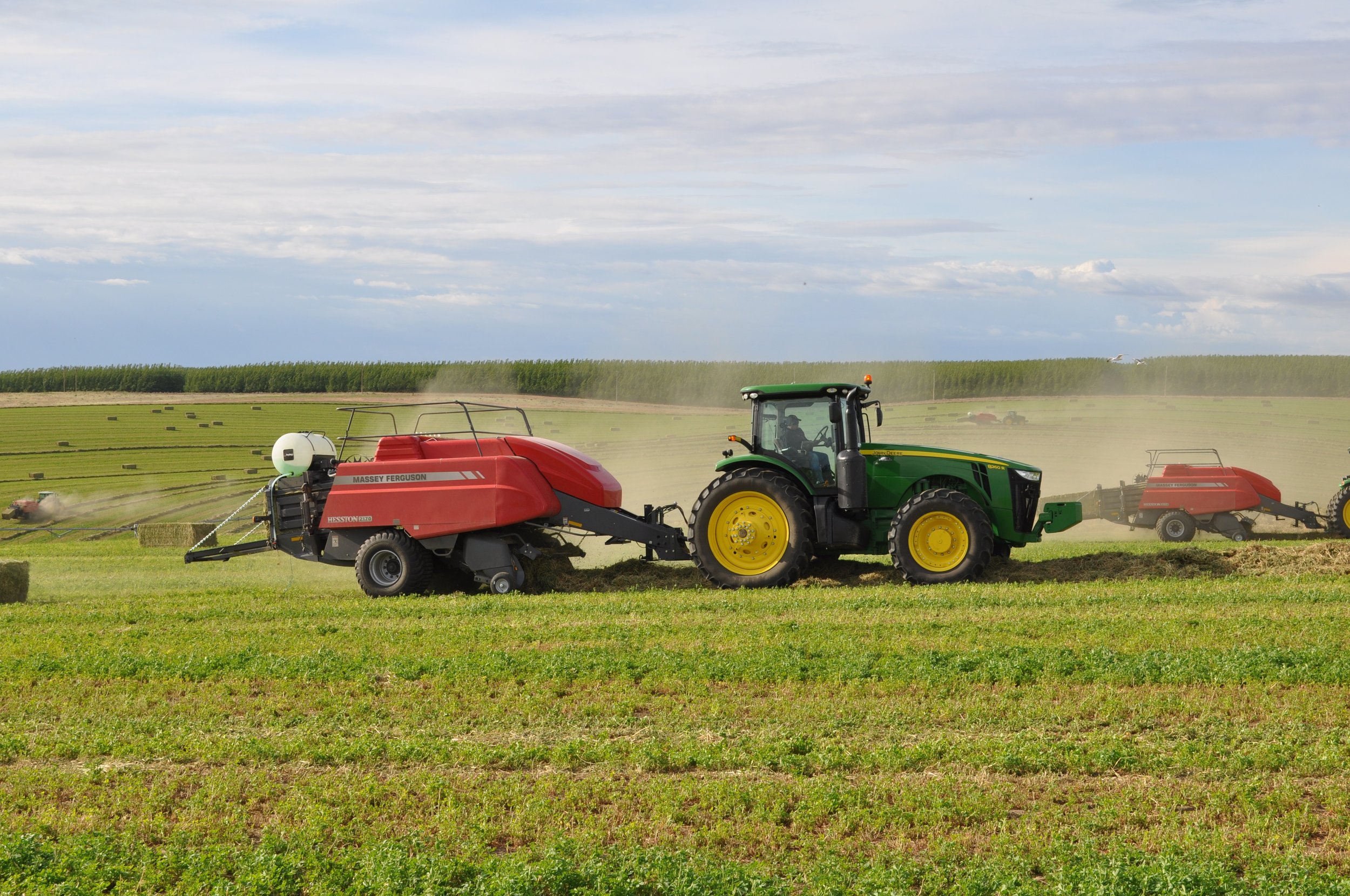
Growers are moving through the tail end of third cutting, with quality coming in better than expected despite a slow start to the season earlier this year. Smoke from regional fires continues to create some intermittent challenges with drying which causes some quality degradation. Some areas in the basin have begun early fourth cutting.
Ellensburg, Washington
The valley has begun third cutting alfalfa. Quality has been a little better than expected with continued impact of smoke from regional fires. Some irrigation districts will be cutting water in the weeks ahead. This was a later date than initially thought for many growers.
Idaho
Growers are still assessing the full impact of this season's water shortage. The state's decision not to enforce the Swan Falls Agreement, paired with timely rain in eastern Idaho, helped a number of growers get more out of their second and third cuttings than they'd originally expected.
Oregon
Southern Oregon saw some hay caught in the windrow by light rain, affecting a portion of that cutting, but overall conditions have been good despite some areas being impacted by smoke caused by regional fires.
PSW
California
In the Imperial Valley an early start to the season combined with prolonged heat has reduced yields. Acres enrolled in the DIP program will need to be taken out and reseeded, meaning less fall hay will be available out of this region until after the new year. Growers in other regions have been cutting in shorter intervals to achieve better testing hay meant for the domestic dairies.
Timothy
Timothy conditions remain mixed heading into fall, with harvest progressing steadily in the Basin.
PNW
Columbia Basin, Washington
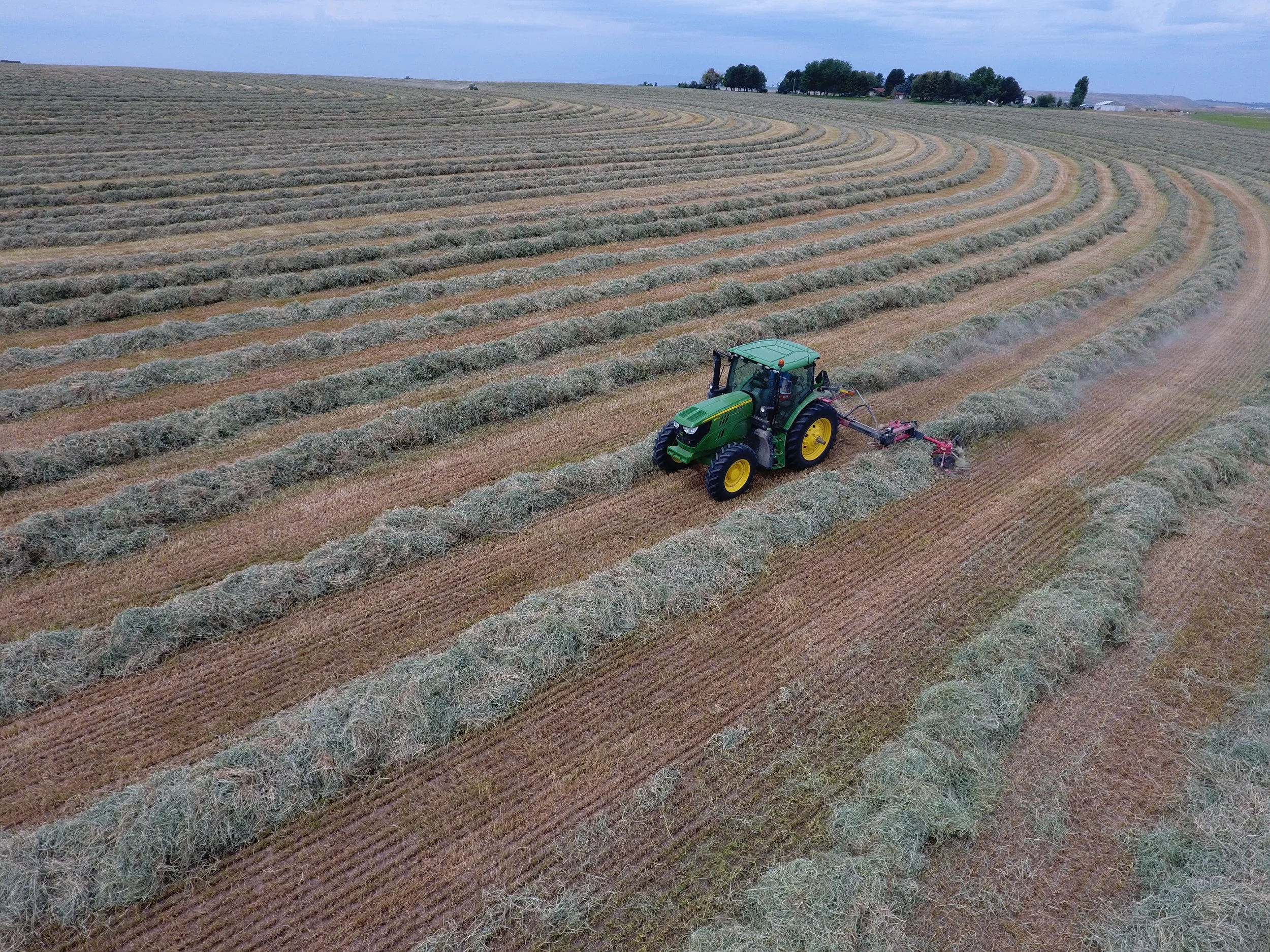
Second-cutting timothy harvest is underway. Demand has leaned toward small bales, with big bale movement staying soft. Quality overall has been mixed as growers continue to deal with intermittent smoke from regional fires.
Ellensburg, Washington
For many growers second cutting timothy is just about wrapped up and others are just getting started. Weather has been good for the last several weeks which has provided some good harvest windows. Smoke has been an issue off and on which has delayed drying times for hay in the windrow.
Idaho
Dryland timothy is all wrapped up. Quality varied across the region depending on precipitation timeliness prior to harvest. Yields overall were better than last year’s harvest.
Kleingrass & Bermuda Hay
Domestic and export demand to remain steady. Water shortages a concern.
PSW
Kleingrass
Fourth cutting of kleingrass is nearly complete across the Pacific Southwest. Quality overall has been average compared to some years. Yields have been good across the region. Export demand has been steady.
Bermuda
Because of water shortages yields have been limited. More growers have been making seed, which means there will be less volume available for hay.
Sudan
Acreages and volumes still unknown for the 2026 crop season.
PSW
California
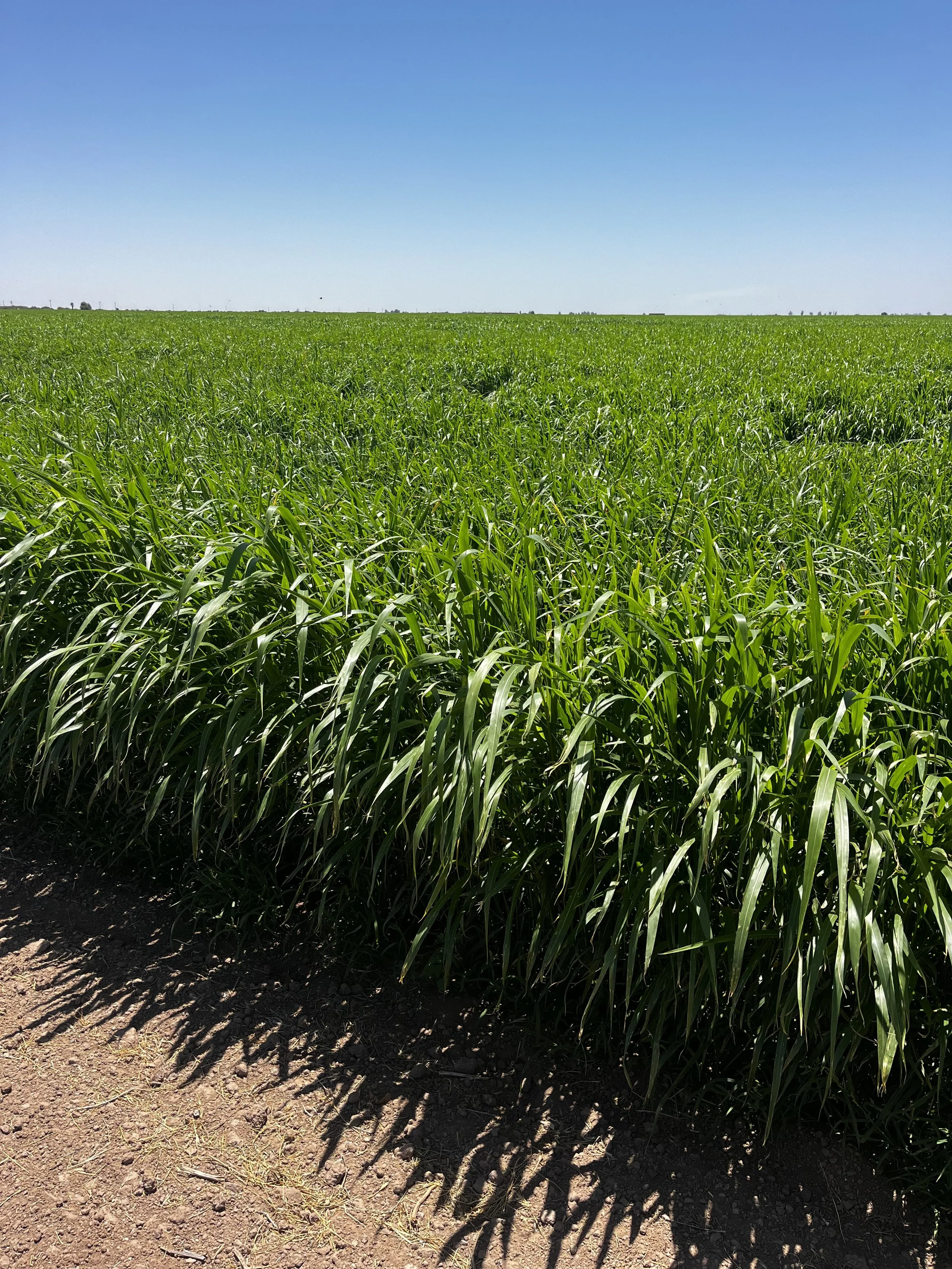
Some growers achieved two cuttings. An oversupply of Sudan had fewer growers taking a second cutting and opting to go to vegetable crops.
PNW
Ellensburg, Washington
Harvest is near completion for most growers. Quality and yield has been good overall.
Straw
Western Oregon weather has been more in-line with typical years.
PNW
Willamette Valley, Oregon
Yields across straw products has been typical. Perennial acreage is off from last year. Annual and Fescue acres are slightly down. Quality overall is on par with typical years.
Columbia Basin, Washington - Fescue Straw
Harvest is complete. Fewer acres than in years past. Demand from export users has been very strong.
Columbia Basin, Washington - Bluegrass Straw
Harvest is complete. Fewer acres than in years past. Demand from domestic users was very strong this year with increasing alfalfa prices.
PSW
Bermuda Straw
More Bermuda straw availability due to an increase in seed production. Strong demand from both export and domestic users.